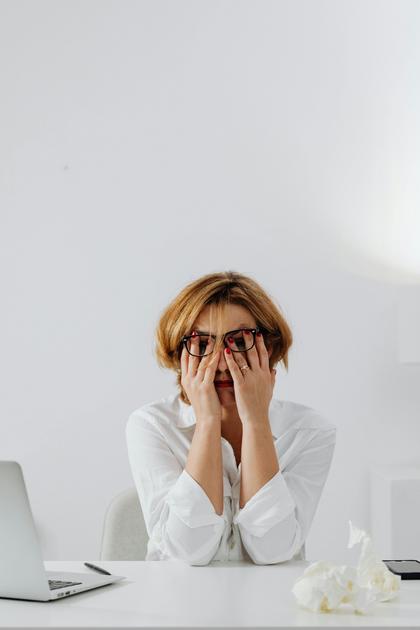
Woman, Do You Suffer from Anxiety and Burnout?
In today’s fast-paced world, many women find themselves juggling multiple responsibilities, which can lead to increased stress and burnout. Our latest video, ‘Woman, Do You Suffer from Anxiety and Burnout?’, dives into the critical issue of how anxiety affects women and provides valuable insights and strategies to tackle these challenges head-on.
Understanding Anxiety and Burnout
Anxiety and burnout are more common than ever among women, affecting mental health and overall well-being. It’s essential to recognize the signs of anxiety early to take proactive steps in minimizing its impact. Persistent worry, fatigue, and emotional exhaustion are just a few indicators that one might be experiencing anxiety or burnout.
By understanding the symptoms, women can better manage stressful situations and seek appropriate help. Resources such as therapy, support groups, and self-care routines play pivotal roles in addressing these mental health challenges. Engaging in mindfulness and relaxation techniques can also significantly aid in reducing anxiety levels and improving quality of life.
Impact on Daily Life
Living with constant anxiety and burnout can be debilitating, affecting every aspect of daily life. Women who struggle with these challenges may find it difficult to maintain productivity and fulfill personal and professional commitments. The pressure to meet high standards and handle various roles can exacerbate feelings of anxiety.
It’s crucial to address these issues early by setting realistic goals and learning to prioritize tasks effectively. Developing a schedule that allows for adequate rest and relaxation can alleviate some of the burdens associated with daily stress. Reaching out for support from family and friends can also provide significant emotional relief and encouragement.
Practical Tips for Managing Anxiety
The journey to overcoming anxiety begins with simple, actionable steps. Deep breathing exercises and meditation offer immediate relief from stress and anxiety. Allocating time for these practices daily can lead to long-term improvements in mood and mental clarity. Additionally, engaging in physical activities releases endorphins, the body’s natural stress relievers.
Including practices such as yoga and tai chi in your weekly routine can help balance physical and emotional health. Nutrition also plays a vital role; consuming a balanced diet with ample vitamins and minerals supports brain health, thereby reducing anxiety symptoms. Staying hydrated and limiting caffeine can further contribute to a calmer disposition.
The Role of Professional Help
When self-help strategies don’t suffice, seeking professional assistance is a wise course of action. Therapists and counselors can offer personalized guidance, helping to identify and address the root causes of anxiety and burnout. Cognitive-behavioral therapy (CBT) and other therapeutic methods have proven effective in treating these conditions.
Consistent therapy, combined with medical treatments if necessary, can provide substantial relief. It’s important to remember that reaching out for help is a sign of strength, not weakness. Many women have successfully navigated through anxiety and burnout with the support of mental health professionals, emphasizing the importance of seeking help when needed.
Creating a Supportive Environment
Building a network of support is crucial for managing anxiety effectively. Identifying people who understand your struggles and can offer encouragement can make a significant difference. Support groups, both online and offline, provide a safe space to share experiences and learn from others facing similar challenges.
In addition to interpersonal support, creating a calming home environment can further reduce anxiety. Simple changes, such as decluttering, incorporating calming colors, and setting up a personal sanctuary for relaxation, can transform your living space into a refuge from stress. Mindfully designing your surroundings aids in promoting peace and tranquility.
FAQ
What are the first signs of anxiety?
The initial signs of anxiety can vary but often include feelings of nervousness, restlessness, and a sense of impending doom. It’s crucial to pay attention to these early signals to prevent them from escalating into more severe symptoms.
Can diet help reduce anxiety symptoms?
Yes, a balanced diet rich in nutrients can help manage anxiety symptoms. Foods high in omega-3 fatty acids, antioxidants, and vitamins can support brain health, reducing anxiety severity. Avoiding high caffeine intake is also advisable.
How does exercise impact mental health?
Exercise has a positive impact on mental health by boosting endorphins, which enhance mood and reduce stress. Regular physical activity helps in maintaining a healthy balance between physical and mental health, ultimately lowering anxiety levels.
What is the role of therapy in anxiety management?
Therapy plays a fundamental role in anxiety management by providing coping strategies, support, and insights into behavioral patterns. Cognitive-behavioral therapy (CBT), among others, has shown significant success in reducing anxiety symptoms.
How can I support a friend with anxiety?
Offering emotional support, showing empathy, and encouraging them to seek professional help are crucial steps in supporting a friend with anxiety. Listening without judgment helps them feel understood and less isolated.
Watch the Video: