Is Your Partner’s Sleep Disorder Affecting Your Marriage?
Understanding Sleep Disorders in Relationships
Sleep disorders are more than just individual challenges; they can also significantly impact relational dynamics within a marriage. When one partner suffers from disruptions in their sleep patterns, it may inadvertently affect the quality of their relationship. It’s crucial to recognize how these sleep issues manifest in day-to-day interactions and emotional connectivity.
The strain caused by sleep disorders can lead to increased irritability, miscommunication, and a sense of emotional distance between partners. Being persistently exhausted or unrefreshed can reduce the patience and empathy required to nurture a healthy marriage. Recognizing these patterns early can foster better understanding and proactive coping strategies.
The Impact on Emotional Well-being
Emotional well-being is intricately linked to the quality of sleep one experiences each night. A partner who is constantly dealing with a sleep disorder might face elevated levels of stress and anxiety, which in turn can affect their emotional availability. This creates a cycle where emotional and physical health impairments reinforce each other.
Furthermore, both partners might experience a sense of helplessness or frustration due to unresolved sleep issues. These feelings can diminish the emotional connection and pose challenges in maintaining marital harmony. Seeking timely interventions, such as professional therapy or sleep specialists’ guidance, can make a substantial difference.
Practical Solutions for Managing Sleep Disorders Together
Addressing sleep disorders as a team can strengthen the marriage and alleviate some of the stress associated with these issues. Partners might benefit from establishing shared sleeping routines and encouraging each other to adhere to consistent sleep hygiene practices. This collaborative approach fosters mutual support and understanding.
Implementing practical changes, such as creating a soothing bedroom environment or reducing caffeine intake before bed, are simple yet effective strategies. Exploring new products designed to promote better sleep, like noise machines or melatonin supplements, could also prove beneficial—a venture worth trying for shared wellness.
Seeking Professional Help as a Couple
Sometimes, self-help strategies may not suffice, necessitating professional assistance. Consulting with a sleep specialist or a couples therapist can provide tailored strategies that address both the emotional and physical components of sleep disorders. Professional guidance can equip couples with tools to navigate these challenges successfully.
Engaging with therapy as a couple can bolster communication and relationship skills, transforming how partners support each other amidst health challenges. This holistic approach is designed to reinvigorate the connection and ensure a healthier, more restful night for both.
Long-term Relationship Strategies
Long-term strategies involve integrating lifestyle changes that promote overall well-being. Regular exercise, balanced diets, and mindfulness practices such as meditation can support better sleep and restore energy levels. Partners should remind each other that lasting change is gradual and patience is key.
Keeping open communication channels about each other’s sleep experiences encourages a supportive space for addressing concerns and achievements. Regular check-ins about sleep health can deepen the understanding and solidarity within the marriage—a mutually empowering journey.
Embedding the Message: Is Your Partner’s Sleep Disorder Affecting Your Marriage?
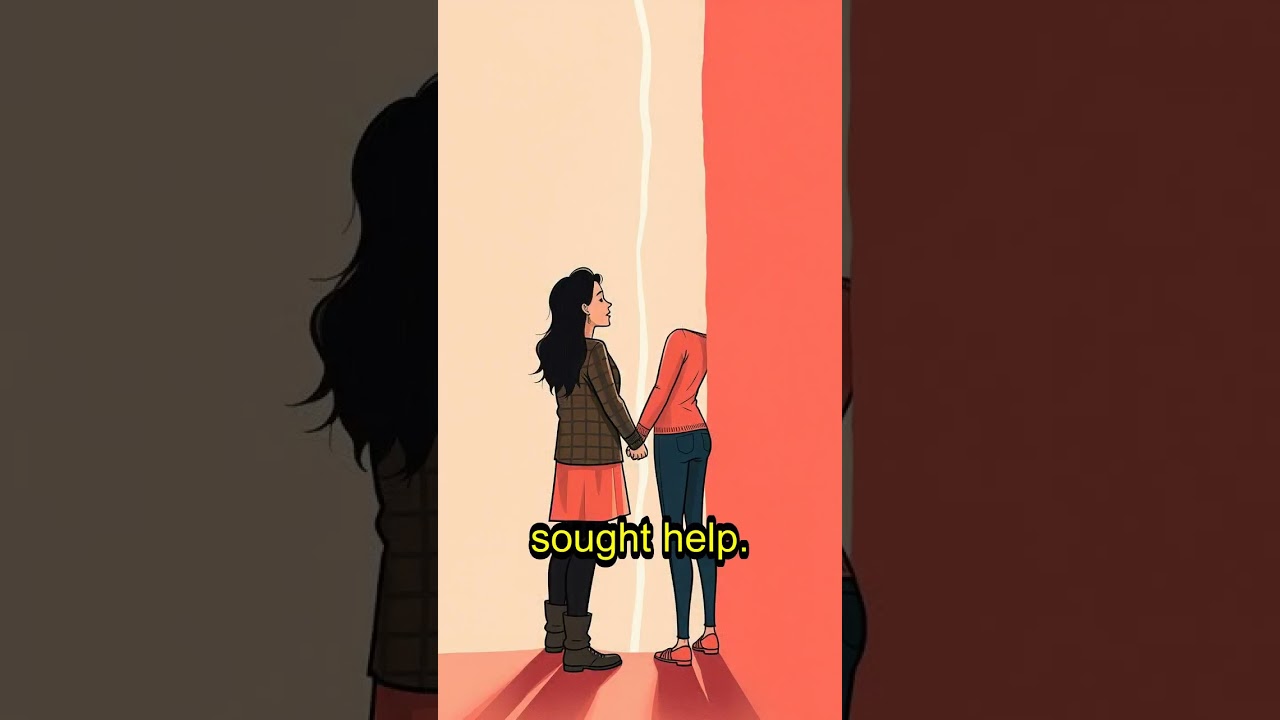
For a more comprehensive understanding, watch our video on ‘Is Your Partner’s Sleep Disorder Affecting Your Marriage?’ This visual content dives into the nuances of how sleep disturbances impact relational health and provides insights into navigating these challenges as a couple.
Our YouTube content reinforces the importance of shared learning and adaptation in managing sleep disorders. By engaging with our platform, you can equip yourself with practical tips and expert knowledge to improve both your sleep and your relationship.
FAQ
How do sleep disorders specifically affect marriages?
Sleep disorders can strain marriages by increasing stress and decreasing intimacy and communication between partners. A lack of quality sleep can result in heightened irritability and emotional distance, which may lead to more frequent disagreements and a breakdown in relational harmony.
What are some early signs that your partner’s sleep disorder is affecting your relationship?
Early signs may include persistent tiredness or irritability, a decrease in patience, and more frequent arguments. If you notice these changes, it might be linked to sleep disturbances affecting your partner’s mood and behavior, impacting your relationship.
Can lifestyle changes really help improve sleep disorders?
Yes, lifestyle changes such as improved diet, regular exercise, and consistent sleep routines can aid in better managing sleep disorders. These changes can alleviate the severity of symptoms and foster an environment conducive to better sleep for both partners.
When should couples seek professional help for sleep disorders?
If lifestyle adjustments and self-care strategies do not alleviate the issue, seeking professional help is advisable. Sleep specialists and therapists can offer personalized approaches to managing sleep disorders and strengthening the relationship.
Are there specific therapies recommended for couples dealing with sleep disorders?
Couples therapy, Cognitive Behavioral Therapy for Insomnia (CBT-I), and consultations with a sleep disorder specialist are recommended. These therapies can provide strategies to manage sleep issues while simultaneously improving relationship dynamics.
Watch the Video: