Menopause Survival Guides That Don’t Help Women Rest: Find Out Why
Have you ever felt overwhelmed by the countless menopause survival guides out there? While they promise relief, many fail to address the real struggles women face, like fatigue, anxiety, and sleepless nights. It’s essential to find guidance that genuinely resonates and supports your journey through this transition. In this article, we’ll explore the disconnect between these guides and the practical solutions that can help you navigate menopause with grace and ease.
Many women feel lost and unsure during this time of change. We understand that every woman’s experience is unique, filled with challenges that deserve to be acknowledged and addressed. In our exploration, we will touch upon effective strategies, personal stories, and supportive resources that can truly make a difference.
See here how many women are solving these issues without heavy medications.
Understanding Menopause: What to Expect
Menopause is a natural part of aging that marks the end of a woman’s reproductive years. Understanding what to expect during this phase can alleviate some stress. Many women experience hot flashes, night sweats, and irregular periods leading up to menopause, which is termed perimenopause.
During menopause, which typically occurs around age 51, many bodies undergo significant hormonal changes. The body produces less estrogen, which can lead to various physical and emotional symptoms.
Awareness of these changes is key. Symptoms can include:
- Fatigue: The fluctuation of hormones can lead to changes in sleep patterns.
- Insomnia: Difficulty falling or staying asleep is common during menopause.
- Anxiety: Emotional shifts can lead to increased anxiety.
- Hot Flashes: Sudden feelings of heat can strike at any moment.
Common Misconceptions About Menopause Guides
Many resources and guides available for menopause can offer misleading information. While they might provide well-intended advice, often they miss the emotional and mental aspects women experience. Some misconceptions include:
- Menopause is a quick phase: In reality, the transition can take several years.
- It only affects older women: Women in their late 30s to early 50s can experience symptoms.
- Medication is the only solution: Many holistic and non-pharmaceutical options exist.
These guides sometimes fail to address that the emotional needs during menopause are just as significant as the physical symptoms.
The Emotional Toll of Menopause: A Personal Narrative
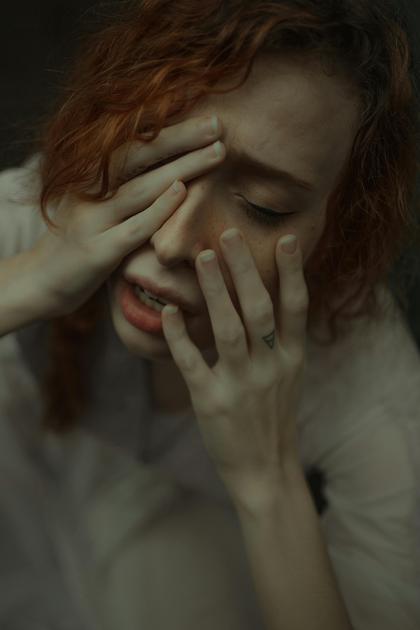
Every woman’s journey through menopause is unique. For many, including myself, it can feel like a rollercoaster of emotions. I remember the frustration of sleepless nights, followed by days filled with fatigue. There were times when my mood swings felt overwhelming.
“Why can’t I just feel normal?” I often asked myself. I felt lost in a sea of tips and tricks that didn’t seem to resonate with my reality. Sharing these experiences can be cathartic; it helps in realizing that you are not alone during this transition.
Many women find solace in connecting their stories. We need to acknowledge the emotional toll, not just the physical symptoms, and create spaces for open conversations about our experiences.
Empowering Strategies for Rest and Relaxation
Finding rest during menopause can often feel elusive. However, there are strategies that can help:
- Establish a bedtime routine: Consistency is vital; creating a calming environment can improve your sleep quality.
- Practice deep breathing: Taking a few moments to focus on your breath can ease anxiety and promote relaxation.
- Limit caffeine and alcohol: Both can disrupt sleep patterns and lead to increased anxiety.
Many women are discovering that a gentle approach, paired with mindfulness, opens doors to improved rest.
see here how many women are solving this without heavy medications
Seeking Authentic Support: What Works?
Reaching out for support can be challenging. Traditional advice can often overlook unique experiences. What truly helps are connections with women who understand. Seeking authentic groups—whether online or in-person—can provide a space for sharing and healing. Here are a few suggestions:
- Look for local support groups: Many communities have groups tailored for women going through menopause.
- Online forums: Engaging in discussions in safe online spaces can provide valuable insights.
- Professional help: Therapists specializing in menopausal health can offer guidance.
Navigating Hormonal Changes: Tips for Balance
Managing hormonal changes can feel daunting. However, there are several tips that can help you find balance:
- Maintain a balanced diet: Prioritize whole foods rich in nutrients that can help regulate hormone levels.
- Stay hydrated: Adequate hydration can improve mood and energy levels.
- Exercise regularly: Physical activity can help balance hormones and stabilize emotions.
Mindfulness Practices to Alleviate Stress
Mindfulness practices can significantly help manage stress during menopause. Techniques may include:
- Yoga: This practice encourages relaxation and can reduce physical symptoms.
- Meditation: Consistent meditation can aid emotional regulation and decrease anxiety.
- Journaling: Expressing thoughts can offer clarity and a sense of relief.
Community and Support: Finding Your Tribe
Sharing common experiences can pave the way for finding your tribe. Engaging in communities brings together women who can empathize and share coping mechanisms. Whether through local meetups or online platforms, interaction with others can be empowering.
Building a Personalized Menopause Action Plan
Creating a personal action plan can help navigate through menopause. Begin by identifying symptoms and outlining desired outcomes. Tailoring techniques that work for you can enhance your experience and provide relief.
Hope and Healing: Moving Forward with Confidence
It’s essential to hold onto hope. Countless women have emerged on the other side of menopause feeling empowered and healthy. Though challenges may arise, always remember: there is a community out here going through the same transition. With each step forward, you can find healing and confidence in your journey.
It’s possible to improve all these symptoms and challenges by following a simple step-by-step approach, just as many other women have. Take your first step towards relief today!