Chronic Anxiety in Women: Unveiling Causes and Natural Remedies
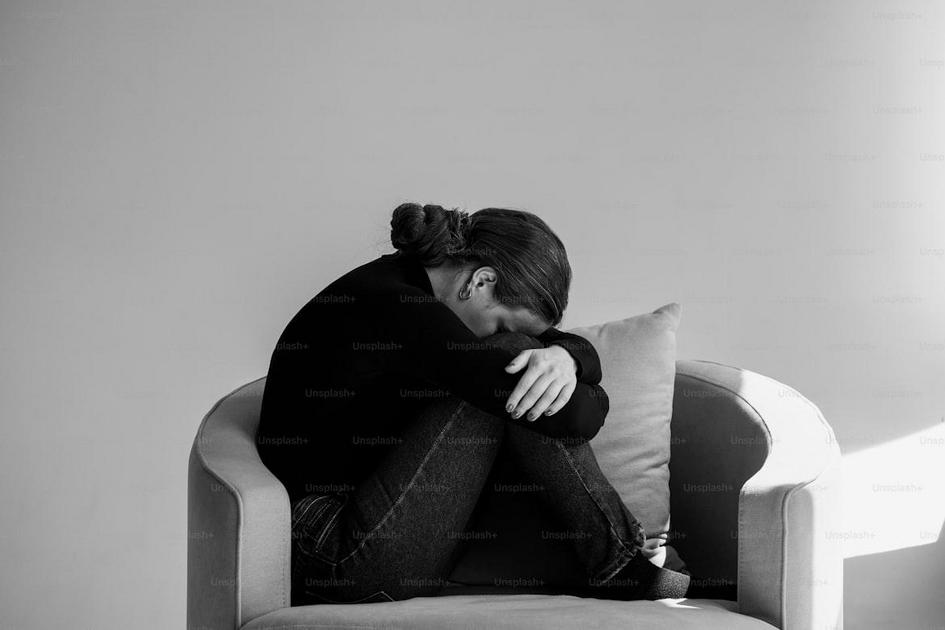
If you’re a woman over 30 struggling with chronic anxiety, know that you are not alone. Many women face this silent battle, feeling overwhelmed by the weight of daily responsibilities and hormonal changes. Understanding the causes of chronic anxiety can pave the way for effective natural solutions that can restore balance and serenity in your life. Today, we’ll delve deep into the reasons behind these feelings and explore how embracing simple, natural methods can lead you to a calmer, more peaceful existence.
Understanding Chronic Anxiety in Women
Chronic anxiety is a condition that affects many women, often leading to feelings of fear, restlessness, and worry that persist over time. For women over 30, these feelings can become even more pronounced due to various life transitions, including changes in career, relationships, and family dynamics. Understanding the unique ways anxiety manifests in women can help in managing it effectively.
Women tend to experience anxiety differently than men. They may feel more emotional, anxious, or stressed in circumstances that provoke fear or doubt. Chronic anxiety can impact daily life, making simple tasks overwhelming and leading to physical symptoms like fatigue and insomnia.
The Link Between Hormones and Anxiety
Hormones play a significant role in the emotional well-being of women. Throughout their lives, women experience various hormonal fluctuations, such as during menstruation, pregnancy, and menopause. These changes can impact the brain’s chemistry and increase the likelihood of anxiety disorders.
Research shows that estrogen has a protective effect on mood and anxiety levels. When hormone levels fluctuate, as they do during the menstrual cycle or menopause, a woman’s mental health can be affected. This connection between hormones and anxiety is crucial to understanding and addressing the root causes of chronic anxiety in women.
Common Causes of Anxiety in Women Over 30
There are several triggers that can contribute to anxiety among women over 30:
- Life Transitions: Major changes such as becoming a parent, changing jobs, or going through a divorce can create significant stress.
- Societal Pressures: Many women feel the weight of societal expectations regarding success, appearance, and relationships, leading to anxiety.
- Hormonal Changes: Fluctuations in hormones due to menstruation, pregnancy, or menopause can influence mood swings and anxiety levels.
- Past Trauma: Unresolved issues from childhood or previous relationships can resurface, causing anxiety.
- Health Concerns: Concerns about health or the health of loved ones can lead to persistent worry.
How Lifestyle Choices Impact Mental Health
Our lifestyle choices can significantly impact our mental health. Factors such as sleep, exercise, and stress management play an essential role in how we feel mentally and emotionally. Poor lifestyle choices can exacerbate anxiety, while positive changes can reduce symptoms.
- Sleep: Lack of sleep can contribute to anxiety and worsen symptoms. Prioritizing sleep is vital for mental health.
- Diet: A well-balanced diet can enhance mood and energy levels. Foods rich in omega-3 fatty acids, vitamins, and minerals can help maintain hormonal balance.
- Social Connections: Engaging with friends and family can provide emotional support, reducing feelings of isolation.
- Stress Management: Activities such as yoga and meditation can help lower stress levels and promote a sense of calm.
The Role of Nutrition in Managing Anxiety
What we eat plays a crucial role in our overall mental health. Certain foods can help alleviate symptoms of anxiety:
- Complex Carbohydrates: Foods such as whole grains can boost serotonin levels, improving mood.
- Omega-3 Fatty Acids: Found in fish, walnuts, and flaxseeds, omega-3s have been shown to reduce anxiety.
- Fruits and Vegetables: Rich in antioxidants, these foods help combat stress and inflammation.
- Herbal Teas: Herbal teas such as chamomile and peppermint can provide a calming effect, aiding in anxiety relief.
Mindfulness and Its Benefits for Anxiety Relief
Practicing mindfulness can significantly reduce feelings of anxiety. Mindfulness involves focusing on the present moment without judgment. This practice can help calm racing thoughts and promote relaxation.
Incorporating mindfulness into your daily routine can be as simple as taking a few minutes each day to meditate, practice deep breathing, or even engage in a mindful walk. By shifting your focus away from worries and into the present, you can alleviate some of the burdens of chronic anxiety.
Exercise: A Natural Solution to Anxiety
Regular physical activity is one of the most effective ways to manage anxiety naturally. Exercise releases endorphins, which are chemicals in the brain that act as natural painkillers and mood elevators.
- Walking: A daily walk can improve your mood and reduce anxiety.
- Yoga: This gentle practice combines physical movement with breath control and meditation, which can effectively lower anxiety.
- Dancing: Letting loose on the dance floor not only lifts your spirit but also helps release tension.
Herbal Remedies for Anxiety: What Works?
Herbal remedies have been used for centuries to help with anxiety. Some popular options include:
- Lavender: Known for its calming properties, lavender oil can be used in aromatherapy or taken as a supplement.
- Ashwagandha: This adaptogenic herb is believed to help the body cope with stress and may reduce symptoms of anxiety.
- Passionflower: Often used as a natural remedy for anxiety, passionflower can be consumed as tea or in supplement form.
- Valerian Root: This herb is commonly used to promote relaxation and improve sleep quality.
Building a Support System for Women
Having a supportive network is vital for women dealing with chronic anxiety. Connecting with others who understand your struggles can be comforting and validating. Consider building a support system that includes:
- Friends and Family: Lean on those who care about you and are willing to listen without judgment.
- Support Groups: Joining a group allows you to share experiences and coping strategies with others facing similar challenges.
- Professional Help: A therapist or counselor can offer guidance, coping strategies, and a safe space to express your feelings.
Taking the First Steps Towards Healing
Taking the first step toward healing can feel daunting, but it’s essential for those struggling with anxiety. Start by being kind to yourself and acknowledging your feelings.
Seeking professional help, incorporating healthy lifestyle changes, and reaching out for support are all vital steps. Remember, you’re not alone in this journey. Many women have faced similar experiences and have found their way to healing.
It is possible to improve symptoms and challenges by following a step-by-step method. Just like other women before you, discover solutions that will help you reclaim your peace. Together, we can pave the way to a brighter, more peaceful future.