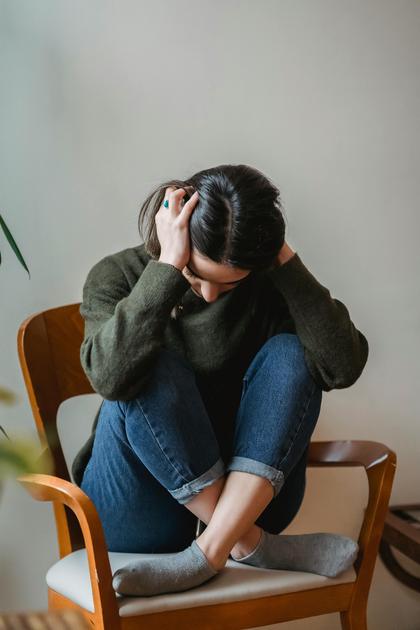
Burnout and Sleepless Nights in Women Over 30: Find Relief Now
Are you a woman over 30 struggling with burnout and sleepless nights? You’re not alone. Many women today face the challenging combination of fatigue, anxiety, and hormonal imbalances that disrupt their daily lives. These struggles often go unnoticed, yet they significantly impact our well-being. In this article, we will explore the underlying causes of burnout and sleepless nights and share empowering strategies to help you reclaim your peace.
From recognizing when to ask for help to implementing self-care practices, understanding your body is crucial. See here how many women are resolving this without heavy medications. You deserve restful nights and a life filled with joy.
Understanding Burnout: Signs and Symptoms
Burnout is more than just fatigue. It’s a state of emotional, physical, and mental exhaustion caused by prolonged and excessive stress. For women over 30, the signs can often go unnoticed or are brushed aside:
- Chronic Fatigue: This isn’t just tiredness; it’s an overwhelming sense of exhaustion that doesn’t go away with rest.
- Emotional Detachment: Feeling disconnected from personal relationships and interests you once enjoyed.
- Reduced Performance: Work that felt fulfilling might now feel burdensome, leading to feelings of inadequacy.
- Physical Symptoms: Headaches, gastrointestinal issues, and sleep disturbances can be manifestations of this stress.
Recognizing these symptoms early can pave the way for proactive self-care measures. You are not alone in your struggle—many women share this experience.
The Impact of Hormonal Changes on Sleep
As women enter their 30s and beyond, hormonal fluctuations can greatly impact sleep quality. Conditions like perimenopause can result in:
- Night Sweats: These can interrupt your sleep cycle, making it difficult to achieve deep, restorative sleep.
- Insomnia: Difficulty falling asleep or staying asleep due to hormonal changes.
- Increased Anxiety: Hormonal imbalances can heighten feelings of stress and anxiety, further complicating sleep.
Understanding how these changes affect your rest is crucial. It’s important to listen to your body and adjust your routines accordingly.
Recognizing the Role of Stress and Anxiety
Stress and anxiety can contribute to a cycle of sleepless nights and burnout. For many women, balancing work, family, and personal life creates a pressure cooker effect. Key contributors include:
- Workplace Stress: Demanding jobs can leave little room for self-care.
- Family Responsibilities: Juggling childcare and household duties can feel overwhelming.
- Self-Expectations: The pressure to perform and succeed can lead to self-inflicted stress.
Taking small steps to manage stress can help break this cycle. You deserve moments to breathe and recharge.
Self-Care Practices to Combat Burnout
Self-care is not a luxury; it’s an essential practice, especially for women feeling the weight of burnout. Consider the following:
- Mindful Moments: Take time each day to engage in activities that calm your mind—such as reading, journaling, or meditative practices.
- Physical Activity: Regular exercise, even if it’s a short walk, can lift your mood and reduce stress.
- Quality Time: Engage with friends or family. Connection can provide emotional relief and support.
By treating yourself with kindness and prioritizing your needs, you can navigate through the fog of burnout with greater ease.
Importance of Sleep Hygiene for Better Rest
Developing healthy sleep hygiene can significantly improve your overall well-being. Consider these tips:
- Consistent Sleep Schedule: Go to bed and wake up at the same time each day to regulate your body’s clock.
- Create a Relaxing Bedtime Routine: Unwind before sleep with calming activities such as deep breathing or light stretching.
- Remove Distractions: Keep electronic devices away from the bedroom to enhance focus on sleep.
Sleep hygiene isn’t just about getting enough rest; it’s about improving the quality of your sleep as well.
Nutritional Support for Stress Relief
Your diet plays a significant role in how you feel both physically and emotionally. Consider incorporating:
- Whole Foods: Focus on nutrient-dense foods, like fruits, vegetables, whole grains, and lean proteins.
- Hydration: Staying hydrated can alleviate fatigue and improve mood.
- Limit Caffeine and Sugar: Too much of these can exacerbate anxiety and stress levels.
Nourishing your body with the right foods aids your journey in combating burnout and sleepless nights.
Building a Support System: Finding Your Tribe
Isolation can often amplify feelings of burnout. Seeking a support system is vital. Connect with:
- Friends and Family: Share your feelings and experiences to receive comfort and advice.
- Support Groups: Explore local or online groups where you can meet others experiencing similar challenges.
- Find a Mentor: Engage with someone who can guide you through your struggles.
Surrounding yourself with a positive and understanding community can be incredibly healing.
Mindfulness and Relaxation Techniques
Practicing mindfulness can shift your perspective and reduce feelings of stress. Some techniques to explore include:
- Meditation: Spend just a few minutes focusing on your breath. This can enhance your mental clarity and peace.
- Yoga: Incorporating yoga into your routine can improve physical flexibility and ease mental stress.
- Gratitude Journaling: Take time each day to write down what you are grateful for, helping shift your focus from stressors to positives.
The beauty of mindfulness is its accessibility. Take small steps each day and remember that progress takes time.
When to Seek Professional Help
It’s critical to recognize when it might be time to seek professional assistance:
- Persistent Symptoms: If burnout and sleepless nights continue despite self-care efforts, reaching out to a mental health professional can be beneficial.
- Impact on Daily Life: If these experiences are interfering with your work or relationships, it’s time to find support.
- Feeling Overwhelmed: If feelings of hopelessness or inability to cope are prevalent, don’t hesitate to seek help.
There is no shame in asking for help—it’s a brave step toward healing.
Embracing Change: A Path Towards Healing
Change is possible, and it starts with small, manageable steps. As you navigate through these challenges, remember:
- Practice Patience: Healing takes time. Give yourself the grace to move at your own pace.
- Celebrate Small Wins: Recognize and celebrate even minor improvements in your mood or energy.
- Stay Open to Change: The path to recovery may not be linear, but each step forward is significant.
You have the power to improve your situation, just like many women who have journeyed before you. Take a moment to explore how many have found relief without heavy medications. see here how many women are resolving this without heavy medications.