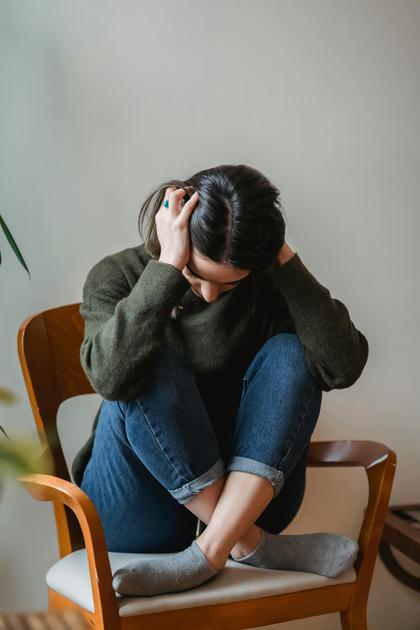
Insomnia in Women Misread as Depression Symptoms: A Hidden Struggle
Have you noticed that insomnia in women misread as depression symptoms is often overlooked? Many women experience this silent struggle yet attribute their fatigue and mood changes to depression instead of recognizing the true culprit: insomnia. Understanding this connection can empower you to reclaim your nights and restore your mental clarity. Let’s delve into the complexities surrounding this issue and discover how many are navigating through these symptoms. See here how many women are resolving this without heavy medication.
Understanding Insomnia and Its Effects
Insomnia is more than just the inability to fall asleep. It’s a complex condition that affects many women, especially those over 30. Women often experience insomnia differently than men due to hormonal fluctuations, stress, and lifestyle factors. This struggle can lead to significant emotional and physical tolls, impacting daily life.
Sleep deprivation can result in fatigue, irritability, and difficulty concentrating, making everyday tasks feel overwhelming. Many women find themselves caught in a cycle where the lack of sleep exacerbates anxiety, leading to a false perception of depression or other mental health issues. Misdiagnosis is common, and understanding the distinctive signs of insomnia is crucial.
Depression or Insomnia: Recognizing the Signs
When sleeplessness becomes a norm, its impacts can mimic conditions like depression:
- Fatigue: Persistent tiredness can cloud emotions, leading to feelings of sadness.
- Difficulty concentrating: Sleep-deprived brains struggle with focus, which can be confused with depressive symptoms.
- Changes in appetite: Insomnia can lead to either increased cravings or lack of interest in food.
- Irritability or mood swings: Lack of sleep can heighten emotional responses.
Being aware of these signs is a crucial step in differentiating between depression and insomnia. A holistic understanding of how sleep impacts mental health can empower your journey toward wellness.
Common Misconceptions About Women’s Mental Health
Many misconceptions surrounding women’s mental health can hinder proper treatment and support:
- Women often internalize their struggles, feeling the need to manage everything alone. This isolation exacerbates issues, including insomnia.
- Hormonal changes are frequently dismissed. Society tends to attribute mood shifts to stress and not the natural ebb and flow of hormonal cycles.
- There’s a stigma around mental health that confuses seeking help with weakness instead of a proactive step toward healing.
The Emotional Toll of Sleep Deprivation
The psychological effects of insomnia can be profound. Emotional challenges may include:
- Low self-esteem: Continuous fatigue affects confidence, making tasks seem more daunting.
- Increased anxiety: Worrying about sleep can create a cycle of sleeplessness.
- Feelings of inadequacy: Women may feel insufficient due to trouble managing responsibilities.
This emotional toll leads many women to feel isolated in their experiences, but it’s important to recognize that these feelings are valid. Joining supportive communities can foster connections and promote healing.
Strategies for Better Sleep
Improving sleep quality requires intentional strategies, such as:
- Establishing a bedtime routine: Consistent sleep schedules can signal your body that it’s time to unwind.
- Creating a calming environment: A cool, dark, and quiet bedroom can promote deeper sleep.
- Limiting screen time: Reducing blue light exposure before bed can enhance melatonin production.
- Practicing relaxation techniques: Mindfulness, deep breathing, or gentle yoga can alleviate nighttime racing thoughts.
Click to explore how many women are finding solutions without heavy medications! See how!
Seeking Help: When to Consult a Professional
If insomnia persists, seeking help can be a pivotal decision. Signs it’s time to consult a professional include:
- Difficulty functioning during the day.
- Emotional distress that interferes with daily life.
- Continued sleep issues lasting more than a few weeks.
Remember, reaching out for help is not a sign of weakness but a courageous step towards reclaiming your well-being.
How Lifestyle Changes Can Make a Difference
Modifying daily habits can lead to significant improvements in sleep quality. Consider:
- Fitness: Regular exercise can enhance sleep, but timing is crucial—exercising too close to bedtime can keep you awake.
- Nutrition: Eating a balanced diet rich in whole foods can promote overall health, affecting your sleep.
- Hydration: Keeping hydrated throughout the day can prevent nighttime wake-ups.
The Role of Hormones in Sleep Disorders
For women, hormonal changes during menstruation, pregnancy, or menopause can disrupt sleep patterns. Understanding these changes can aid in recognizing sleep issues:
- Florid hormonal fluctuations often lead to insomnia or fragmented sleep.
- Menopause can bring night sweats and hot flashes, directly impacting sleep.
Understanding these hormonal influences can mitigate feelings of frustration and helplessness, leading you to more tailored solutions.
Stories of Women Who Overcame Their Struggles
Many women have faced insomnia and have remarkable stories of resilience:
- Sandy: “I struggled for years with sleepless nights, but finally found the right techniques to help. Sleep Yoga became my sanctuary. I now embrace restful nights again!”
- Linda: “By sharing my journey with others, I found support and clarity on what worked for me in managing my insomnia. Each small victory is now celebrated!”
Listening to such narratives can be empowering as they remind us that overcoming sleep struggles is entirely possible.
Empowering Yourself to Find Solutions
By gaining knowledge and understanding about insomnia, you can take proactive steps toward better sleep. Women should feel empowered to explore options that work best for them. Whether it’s adopting new lifestyle choices or seeking professional guidance, remember that each step taken is one toward reclaiming your health and wellness.
Your journey doesn’t have to be done alone. Many have faced the same challenges before you and have found their way to brighter mornings. You, too, can find relief and improve your quality of life by taking that courageous step towards understanding and healing.
Finding a peaceful night’s sleep is within reach. Discover how with just a few changes! SEE MORE