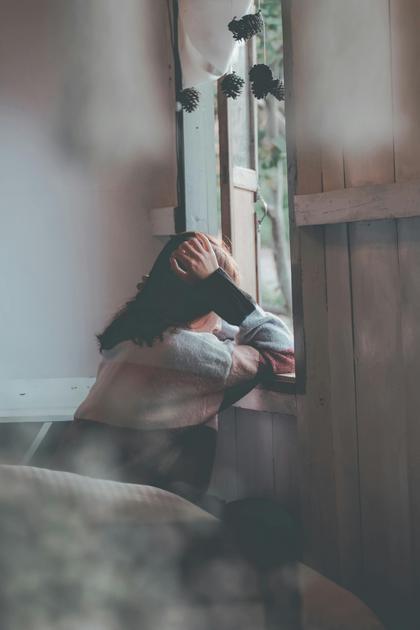
Woman, Do You Suffer from Anxiety and Burnout? Discover the Latest Science!
Understanding Anxiety and Burnout in Women
Anxiety and burnout are increasingly common issues affecting women across the globe. The fast-paced, pressure-filled environments many women find themselves in, both personally and professionally, can lead to these conditions. Understanding the signs and symptoms is crucial to effectively addressing and managing them.
Recognizing early signs of anxiety and burnout involves looking out for persistent feelings of overwhelm, irritability, and physical symptoms like fatigue and insomnia. These conditions can severely impact daily life, making it essential to seek strategies for management and recovery.
The Science Behind Anxiety in Women
The latest scientific research offers illuminating insights into why women might be more susceptible to anxiety and burnout. Hormonal differences play a significant role, affecting stress responses differently compared to men. Additionally, societal pressures and expectations can compound these effects, leading to higher stress levels.
Understanding these scientific perspectives can empower women to seek tailored coping strategies and professional help. It’s essential to address these conditions from both a psychological and physiological standpoint, ensuring holistic care and recovery.
Common Symptoms and How to Recognize Them
Recognizing the symptoms of anxiety and burnout is crucial for early intervention. Common signs include persistent worry, a sense of impending doom, and physical symptoms like headaches and digestive issues. Emotional symptoms can manifest as irritability and sadness.
Being attuned to these symptoms allows for prompt action, potentially mitigating the severity of these conditions. It’s advisable to consult professionals if these symptoms persist, as early intervention can significantly improve outcomes.
Effective Coping Strategies
Several effective coping strategies can help manage anxiety and burnout. Mindfulness and meditation have been shown to reduce stress levels significantly. Regular physical activity and a well-balanced diet play crucial roles in maintaining mental health as well.
Additionally, setting achievable goals and practicing time management can alleviate feelings of overwhelm. It is important to seek social support, whether through friends, family, or support groups, to help navigate anxiety-inducing situations.
Seeking Professional Help
When self-help strategies are insufficient, seeking professional assistance is crucial. Therapists and counselors can provide personalized treatment plans. Cognitive Behavioral Therapy (CBT) and other therapeutic modalities are effective in treating anxiety and burnout.
Medication can also be considered, though it should always be overseen by healthcare providers. It’s vital to approach treatment holistically, incorporating lifestyle changes alongside therapeutic interventions.
Long-Term Prevention
Prevention strategies for anxiety and burnout are key for maintaining long-term well-being. Consistency in self-care practices, such as regular exercise and relaxation techniques, can help sustain mental health. It’s equally important to regularly evaluate personal commitments and workloads.
Creating a balanced lifestyle that includes recreational activities and hobbies is beneficial. Ensuring adequate sleep and maintaining healthy social relationships are also pivotal components of prevention.
FAQ
What are the main causes of anxiety and burnout in women?
Anxiety and burnout in women can stem from a variety of sources, including hormonal changes, societal pressures, and personal expectations. Each woman’s experience may vary, underlining the importance of personalized approaches to management.
How can I differentiate between normal stress and burnout?
While normal stress is a temporary response to specific situations, burnout is characterized by chronic stress and feelings of exhaustion, detachment, and a sense of ineffectiveness. Recognizing the duration and impact of these feelings is essential.
Are there natural remedies for managing anxiety?
Yes, natural remedies such as yoga, aromatherapy, and herbal supplements like lavender and chamomile can aid in anxiety management. Complementing these with a balanced lifestyle can enhance their efficacy.
What lifestyle changes can help prevent anxiety?
Preventive lifestyle changes include establishing a routine that incorporates regular exercise, a healthy diet, sufficient sleep, and mindfulness practices. These alterations can create a strong foundation for long-term mental health.
When should I seek professional help for anxiety and burnout?
If anxiety and burnout symptoms persist despite self-help efforts, or if they significantly impact daily functioning, seeking professional help is advisable. Early intervention can improve outcomes and provide vital support and guidance.
Watch the Video: