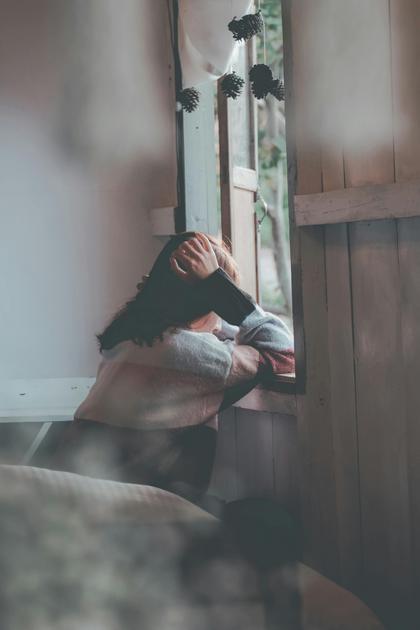
Stress and Hormonal Hair Loss in Women: Uncover Hidden Causes
Many women over 30 experience the silent struggles of stress and hormonal hair loss. This issue often goes unnoticed, manifesting in ways that can affect self-esteem and confidence. Understanding the connection between stress, hormonal imbalances, and hair health is crucial for finding relief. In this article, we’ll delve into the causes of hair loss related to stress and hormones, and explore effective fixes that can make a significant difference.
It’s not just about hair; it’s about feeling whole again. As you read, take a moment to reflect on your journey and remember, you’re not alone in this. .
Understanding Hormonal Imbalances and Hair Health
Hormones play a significant role in many aspects of our health, including hair growth and loss. For women, hormonal imbalances can trigger various changes, especially after the age of 30, leading to alarming rates of hair loss. Hormones like estrogen and progesterone are crucial for maintaining the health and growth of hair. When levels of these hormones fluctuate—due to stress, age, or other factors—it can result in hair thinning or loss.
It’s important to understand that hormonal hair loss can be caused by issues like thyroid disorders or polycystic ovary syndrome (PCOS). These conditions can disrupt the natural balance of hormones in the body, leading to unwanted effects on hair health.
The Impact of Stress on Your Body and Hair
Stress is often the silent adversary that many women face, particularly as they juggle various roles in their lives. When you experience stress, your body produces higher levels of cortisol. This stress hormone can impact your hair follicles, leading to hair shedding and loss. Chronic stress can also contribute to hormonal imbalances, creating a cycle that is difficult to break.
Many women report feeling overwhelmed, leading to anxiety and fatigue, which can further exacerbate hair loss. Taking time each day for self-care can help combat stress and improve overall well-being.
Identifying the Signs of Hormonal Hair Loss
Many women might not recognize the signs of hormonal hair loss until it becomes more pronounced. Identifying early signs can help in taking proactive measures. Look for symptoms like:
- Increased hair shedding: Noticeable hair coming out during washing or brushing.
- Thinning patches: Areas on the scalp where hair is noticeably thinning.
- Changes in hair texture: Your hair may feel weaker or look duller.
- Changes in your menstrual cycle: Irregularities can indicate hormonal changes.
If you notice these signs, it’s essential to explore potential causes and solutions before the problem escalates.
Natural Remedies for Stress and Hormonal Balance
Recovery from stress and hormonal imbalances often begins with natural remedies. Consider incorporating:
- Herbal Supplements: Herbs like ashwagandha and sage can support hormonal balance.
- Mindfulness Practices: Meditation or yoga can reduce stress and promote relaxation.
- Aromatherapy: Essential oils like lavender can help ease anxiety and promote better sleep.
Many women have found great success by integrating these remedies into their daily routines, enhancing both their mental and hair health.
Healthy Lifestyle Changes to Promote Hair Growth
Adopting healthy lifestyle changes is vital in promoting hair growth and overall wellness. Here are some changes to consider:
- Regular Exercise: Physical activity boosts circulation and helps manage stress.
- Sufficient Sleep: Aim for 7-9 hours of quality sleep each night for recovery and hormonal balance.
- Hydration: Drink plenty of water to keep your body and scalp hydrated.
Implementing these changes could significantly impact not just your hair health, but your entire lifestyle.
The Role of Nutrition in Hormonal Health
Nutrition plays a crucial role in maintaining hormonal balance. Ensure your diet includes:
- Healthy Fats: Incorporate avocados, nuts, and seeds to support hormone production.
- Lean Proteins: Foods such as chicken, fish, and legumes nourish your body.
- Fruits and Vegetables: Rich in vitamins and antioxidants, they boost overall health.
Additionally, consider reducing sugar and processed foods, as they can cause spikes in insulin levels, leading to further hormonal disruption.
Stress Management Techniques for Women
Managing stress effectively is crucial for both your mental and physical health. Here are some techniques that can help:
- Breathing Exercises: Simple deep breathing can help calm your mind.
- Journaling: Writing feelings down can be therapeutic and help reduce anxiety.
- Talking to Someone: Don’t hesitate to reach out to friends or a professional if you feel overwhelmed.
Incorporating these techniques can create a more balanced life, helping you reclaim your sense of self amidst the challenges.
When to Seek Professional Help for Hair Loss
If hair loss persists despite lifestyle changes, it may be time to seek professional help. Consider visiting a healthcare provider or a dermatologist if you:
- Experience Sudden Hair Loss: It may indicate an underlying condition.
- See Worsening Symptoms: Increased thinning or bald patches need evaluation.
- Feel Anxious and Overwhelmed: Professional guidance can provide you useful coping strategies.
Do not hesitate to take this step, as understanding the root cause can lead to effective treatment.
Real Stories: Women Overcoming Hair Loss Challenges
Stories from other women can be incredibly inspiring. Many have undergone similar struggles with hair loss and have found hope through various means. They often highlight:
- The Importance of Self-Compassion: Accepting oneself during the journey is vital.
- Community Support: Finding support systems, whether in person or online, can be life-changing.
- Exploring Alternatives: Natural and holistic approaches can bring newfound confidence.
These narratives remind us that we are not alone in this journey. Each story serves as a beacon of hope and resilience.
Empower Yourself: Steps to Reclaim Your Hair Health
To reclaim your hair health, begin by taking small, manageable steps. Empower yourself by:
- Educating Yourself: Understand your body and its needs.
- Creating a Routine: Develop daily practices that promote well-being.
- Seeking Support: Connect with other women facing similar challenges.
Remember, change takes time, but every effort counts. Many women have transformed their lives with a series of small changes. There’s hope, and you can be part of this uplifting journey.
While the journey may be challenging, it is possible to improve all these symptoms and challenges by following a simple step-by-step approach that others have successfully navigated. See how many women are resolving their issues without heavy medications.